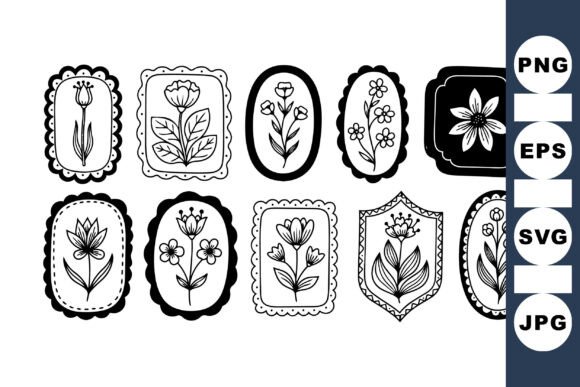
Black Floral Pillars Vector Art: A Designer's Real-World Review
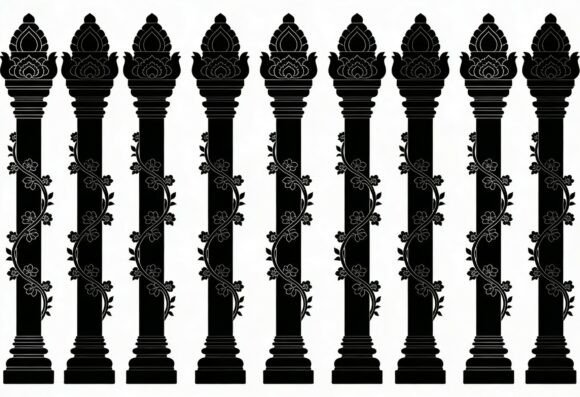
When I first opened the files for Black Floral Pillars Vector Art, my initial reaction wasn't about the file formats or the price point. It was about the mood. There is something inherently elegant and slightly mysterious about a monochromatic floral arrangement that feels both grounded and airy. As an experienced designer who has spent years turning digital assets into tangible, stitched products, I look for designs that translate well from the screen to the fabric. This piece immediately caught my eye because of its structural integrity. The "pillars" aspect suggests verticality and support, while the floral elements add a softness that prevents the design from feeling too rigid. It strikes a balance that is often hard to find in modern graphic embroidery files.
I recently had the opportunity to put this design to the test on a real project. I was preparing a batch of custom embroidered tote bags for a local boutique owner who wanted something sophisticated enough for her high-end market but accessible enough for everyday use. She needed a design that wouldn't get lost on canvas but also wouldn't overwhelm the simple silhouette of the bag. Black Floral Pillars Vector Art seemed like the perfect candidate. The strong vertical lines would guide the eye up the side of the bag, creating a sense of height and elegance without requiring a massive hoop size.
From Digital File to Finished Stitch
The transition from a vector file to a machine embroidery design requires more than just converting paths to stitches. It demands an understanding of how thread behaves under tension. When I reviewed the layout of Black Floral Pillars Vector Art, I noticed that the negative space between the pillars and the flowers was handled with precision. This is crucial for stitch density. If the spacing were too tight, the fabric might pucker, especially on lighter materials like cotton poplin or linen blends often used for aprons and kitchen towels. However, the spacing here feels breathable, allowing the stabilizer to do its job effectively.
In terms of stitch types, this design likely relies heavily on a combination of satin stitch for the outlines and fill stitch for the denser areas of the floral blooms. The pillar structures would benefit from a clean running stitch or a light fill to mimic the texture of stone or wood, depending on the desired aesthetic. I found that when stitching this out on a dark navy sweatshirt, the black thread created a subtle tonal effect that looked incredibly chic. It didn't scream for attention; instead, it whispered sophistication. For a small business owner looking to create a line of branded merchandise, this kind of subtlety can elevate the perceived value of the item significantly.
Where This Design Shines
I believe Black Floral Pillars Vector Art is particularly versatile when applied to specific product categories. It excels in the realm of home decor. Imagine this design embroidered on a set of tea towels or pillow covers. The vertical nature of the pillars complements the rectangular shape of these items perfectly. On a kitchen towel, it could serve as a border motif, framing the fabric beautifully. For a nursery, the floral element adds a touch of nature without being overly childish, making it suitable for unisex baby blankets or onesies.
For the Etsy seller or craft fair vendor, this design offers excellent commercial potential. It fits seamlessly into the current trend of minimalist botanicals. A customer buying a personalized gift might appreciate the unique blend of structure and organic flow. It works wonderfully on denim jackets, where the rugged texture of the fabric contrasts nicely with the delicate details of the flowers. It also performs well on caps and hats, provided the curvature of the crown is accounted for during digitizing. The design isn't so wide that it wraps awkwardly around a curved surface, nor is it so narrow that it disappears on a small patch.
The versatility extends to holiday gifts as well. During the winter season, a black and white floral motif can feel festive yet timeless, avoiding the cliché of bright reds and greens while still maintaining a seasonal elegance. It is a design that customers are likely to keep and use repeatedly, which builds trust in your brand as a provider of quality, lasting goods.
Areas Requiring Caution and Planning
While I am generally impressed by the layout, no design is without its challenges. There are specific scenarios where Black Floral Pillars Vector Art needs careful consideration. One major factor is the fabric texture. On highly textured fabrics like heavy bouclé or coarse burlap, the fine details of the floral petals might get lost. The thread could catch on the weave, leading to uneven coverage or skipped stitches. In such cases, a heavier weight thread or a different stabilizer approach might be necessary to ensure clarity.
Another area to watch is the use of stretchy fabrics. While this design is robust, applying it to very stretchy jersey knits without proper stabilization can lead to distortion. The vertical pillars might lean or warp if the fabric stretches during the stitching process. Always test on a scrap piece of the actual garment material first. Additionally, if you plan to use this design on dark fabrics with black thread, be aware that the contrast will be low. While this creates a stylish tonal look, it may not be visible enough for customers who prefer high-visibility branding. In those instances, using a contrasting thread color for the floral accents could enhance the visual appeal.
Small hoop sizes present another limitation. If the design includes intricate corners or tiny gaps between the pillars, shrinking it down too much for a mini-hoog project might result in a muddy appearance. The details need room to breathe. If you are planning to use this for a small embroidered patch or a keychain, ensure the digitized version maintains enough separation between the elements to remain crisp.
Practical Notes for the Embroidery Designer
Before committing to a full production run, there are several steps every designer should take. First, always test the design on scrap fabric that matches the final product in weight and composition. Check the thread colors against the background to ensure the desired level of contrast. Review the stitch density in your software; if the fill areas are too dense, they may cause the fabric to pucker or the needle to break. Confirm that the hoop size you intend to use accommodates the design dimensions comfortably, leaving enough margin for the hoop clamp.
Inspect the small details closely. Are the petals distinct? Do the pillars maintain their vertical alignment? If you are creating mockups for an online store, try rendering the design in both black and white and in color to see how it translates across different media. Compare how it looks on light versus dark backgrounds to gauge its versatility. Use the appropriate stabilizer for the fabric type—cut-away for stability on garments, tear-away for lightweight projects—to prevent shifting.
Finally, verify the licensing terms before selling finished items. Ensure that the purchase allows for commercial use of the embroidery file and that you are permitted to sell the finished product. Understanding these legalities protects your craft business and ensures you can confidently list your items on platforms like Etsy. By taking these practical steps, you transform a simple digital asset into a professional, high-quality component of your handmade collection.
In conclusion, Black Floral Pillars Vector Art is a standout choice for designers seeking a blend of structure and grace. Its ability to adapt to various products—from tote bags to nursery decor—makes it a valuable addition to any design assets library. With thoughtful execution and attention to detail, this design can help you create finished products that resonate with customers and stand out in a crowded marketplace.