Earring SVG Design Review for Real Embroidery
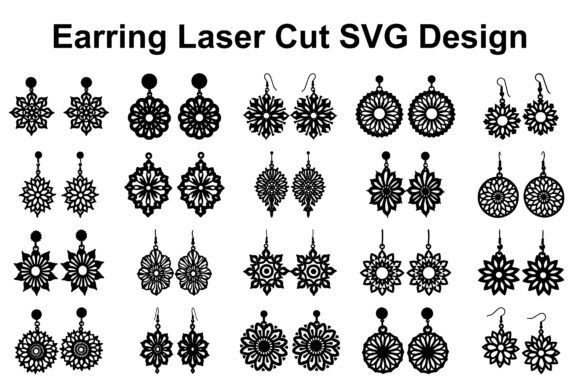
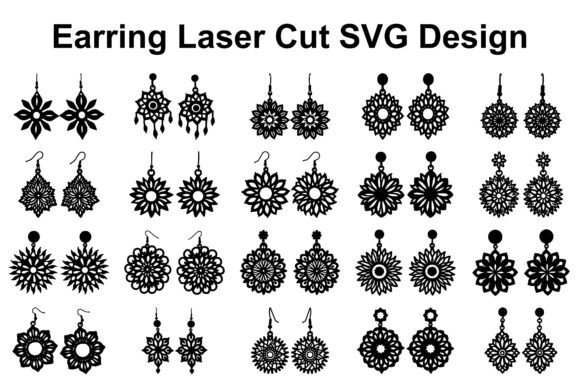
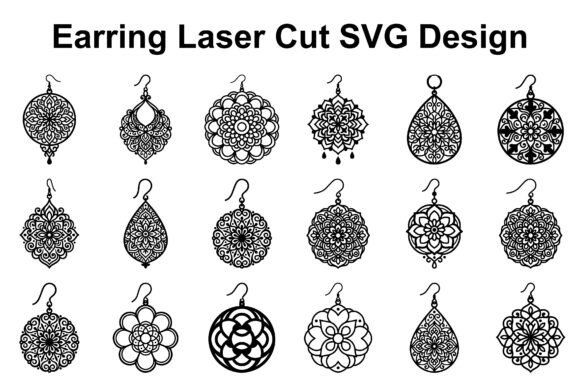
When I first opened the Earring SVG Design bundle, my initial reaction was a mix of curiosity and professional skepticism. As someone who has spent years evaluating digital assets for commercial embroidery projects, I know that "beautiful" on a screen often translates to "messy" under a needle. This Boho Earring SVG Bundle, featuring 18 unique laser cut earring designs with intricate floral and mandala-inspired patterns, promises elegance. But does it deliver when you move from a digital preview to a physical stitched product? I decided to put this design through the wringer in a real-world scenario: creating a boutique collection of personalized tote bags and holiday gift sets.
The First Impression: Mood and Visual Personality
The moment you load these files into your digitizing software, the mood is unmistakably bohemian and organic. The layout feels airy, which is a double-edged sword in machine embroidery. The intricate floral details suggest a high-end, artisanal feel that could elevate a simple canvas tote bag into a statement piece. For a craft business owner or an Etsy seller, the visual appeal is strong; it screams "handmade" without looking amateurish. However, the mandala-inspired patterns introduce complexity. In the world of graphics, lines are clean. In the world of machine embroidery design, those lines become thousands of stitches that must navigate fabric tension and thread thickness.
I found the design personality to be versatile yet specific. It naturally belongs in projects that require a touch of whimsy and sophistication. It fits perfectly alongside other design assets used for nursery decor, wedding gifts, or boutique branding where a soft, natural aesthetic is desired. Unlike rigid geometric patterns that can look stiff on a sweatshirt, these flowing lines promise a more fluid finished product, provided the stitch density is managed correctly.
Real-World Application: From Screen to Stitch
To truly test the viability of this embroidery file, I simulated a project workflow for a small shop selling custom apparel and accessories. Imagine preparing a batch of embroidered patches for a winter holiday market. The goal is to create a cohesive look across different items: aprons, tea towels, and baby onesies. The Earring SVG Design offers a distinct advantage here because of its modular nature. You can use the full mandala as a centerpiece on a pillow cover, or perhaps isolate a single floral element for a subtle accent on a cap.
In terms of performance on various fabrics, the design shines on stable materials like heavy cotton canvas for tote bags or thick terrycloth for kitchen towels. The satin stitch areas required for outlining the floral shapes need to be crisp to maintain the definition of the mandala. On a dark fabric, the contrast becomes critical. If the thread colors chosen do not pop against the background, the intricate details will get lost in the weave. I recommend testing the design in black and white mockups first to ensure the negative space works effectively before committing to expensive threads.
For commercial embroidery projects aimed at high-volume sales, the clarity of the stitching is paramount. A customer buying a personalized gift expects perfection. If the stitch density is too high, the fabric might pucker, ruining the elegant flow of the boho pattern. Conversely, if it is too low, the design may look sparse and cheap. This design requires a delicate balance, making it ideal for medium-sized hoop sizes where the fabric remains taut.
Navigating Potential Pitfalls
While the aesthetic is compelling, there are specific scenarios where caution is required. One major consideration is the size of the design relative to the garment. Attempting to stitch these intricate details on a small hoop size or a curved surface like a baseball cap can lead to distortion. The mandala elements, being detailed, might lose their symmetry if the fabric stretches during the process.
Textured fabrics present another challenge. While the design looks great on smooth surfaces, rough textures like chunky knits or fleece can obscure the fine lines of the running stitch and fill stitch combinations. Similarly, thin fabrics may not support the weight of the dense floral sections without tearing or showing excessive puckering. For stretchy fabrics, such as jersey t-shirts or leggings, proper stabilization is non-negotiable. Without a robust stabilizer, the tension of the threads will cause the design to warp over time, especially after frequent washing.
Another area to watch is the corner detailing. Intricate patterns often have tiny points that can be difficult for the needle to penetrate cleanly. If the design includes tiny lettering or extremely small decorative accents, they might disappear entirely once stitched. It is crucial to inspect these small details closely. If the design is intended for an embroidered patch meant for durability, the edge finish must be robust enough to withstand wear and tear without fraying.
Impact on Product Value and Brand Perception
The choice of design directly influences customer trust and brand consistency. A well-executed Earring SVG Design signals professionalism. When a buyer sees a sharp, clear mandala on a handmade tote bag, they perceive higher value. It suggests that the maker cares about quality and attention to detail. This perception is vital for craft business owners looking to scale their operations or for hobbyists wanting to sell at craft fairs.
Conversely, a poorly executed version of this design can damage a brand's reputation. Blurry edges or misaligned stitches can make a product look mass-produced rather than artisanal. By ensuring the thread colors complement the fabric texture and that the hoop size is appropriate, you protect the integrity of your finished product. This attention to detail enhances the giftability of the item, making it a desirable choice for clients seeking personalized gifts or unique home decor.
Practical Designer Notes for Success
Before you start stitching, there are several technical steps every designer should take. First, always test the design on scrap fabric that matches your final material. This allows you to gauge the stitch density and adjust the settings if necessary. Check the thread color contrast carefully; sometimes a color that looks good on a monitor appears dull in person due to lighting conditions.
Review the stitch count and confirm the hoop size requirements. If the design is complex, consider using a water-soluble stabilizer to support the fabric during stitching, especially for intricate floral sections. Inspect the small details to ensure they are legible and not too fragile for the intended use. Compare how the design looks on both light and dark fabric backgrounds to ensure versatility.
Finally, verify whether the design works for both personal and commercial projects. Many digital embroidery files come with specific licensing terms. If you plan to sell finished items, confirm that the license permits commercial use. Do not assume anything. Check the details regarding applique design compatibility if you intend to layer fabrics. Ensure the design is optimized for your specific machine capabilities. If the product description mentions "laser cut" aesthetics, remember that embroidery simulates this look with thread, so the conversion from vector to stitch path is critical.
By following these guidelines, you can transform the Earring SVG Design from a simple graphic into a stunning finished product. Whether you are creating custom apparel, holiday embroidery pieces, or small shop products, this design offers a solid foundation for creative expression. Just remember that the success of the project lies in the preparation and execution, not just the download.