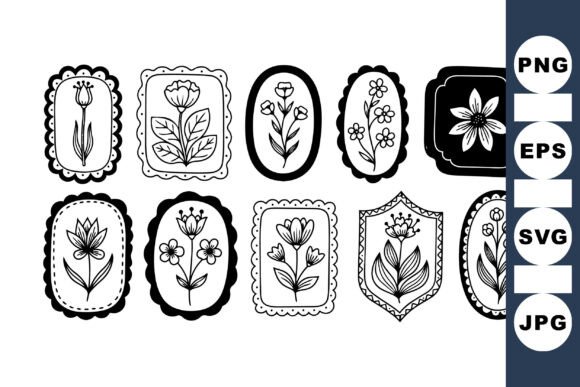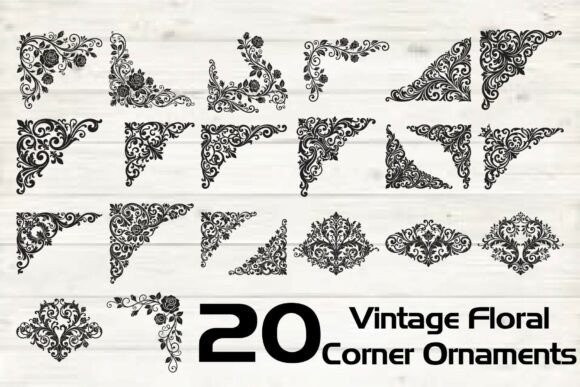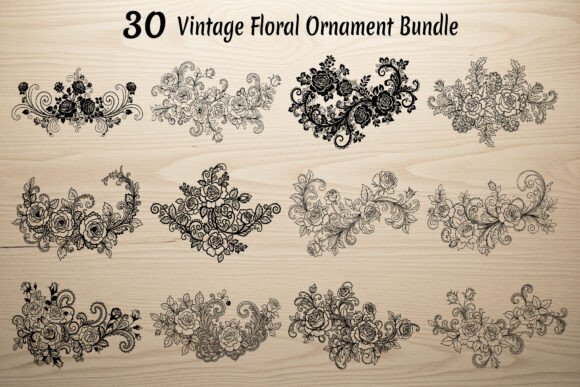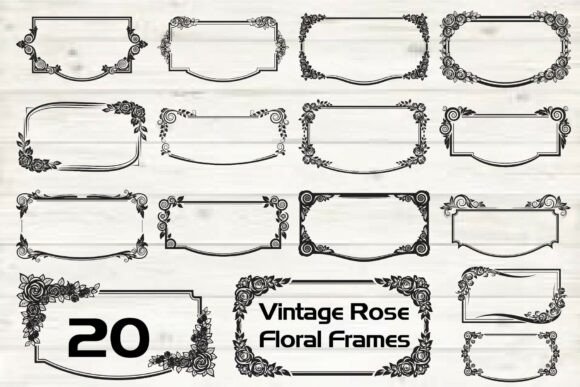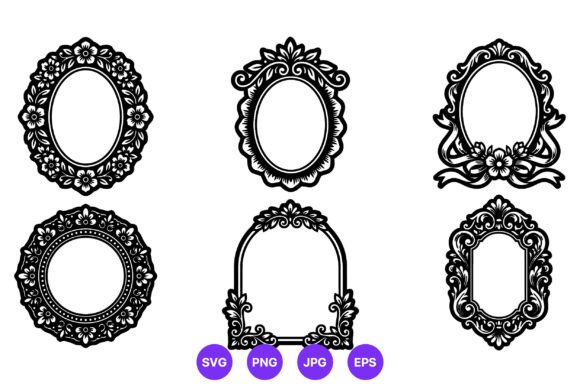
Vintage Floral Sublimation Design Review
When I first opened the folder for the Vintage Floral Sublimation Design, I wasn't just looking at a pretty picture; I was immediately thinking about the stitch density, the thread breaks, and how this would translate from a digital file into a tactile, stitched reality. As someone who has spent years reviewing embroidery files for my own boutique and client projects, I know that the difference between a design that looks great on a screen and one that holds up in real life is often in the details. This listing falls under the Crafts category and is categorized as Graphics, but for an embroiderer, those labels are just the starting point. The true test of any embroidery file is whether it survives the hoop, the needle, and the wear and tear of daily use.
The First Stitch: Visual Personality and Mood
The moment you unbox or download this Vintage Floral Sublimation Design, the mood is instantly established. It carries a nostalgic warmth that feels perfect for creating handmade products with soul. Unlike modern, geometric patterns that scream "mass production," this design whispers of garden parties, old linens, and carefully curated collections. The layout suggests a balanced composition that works beautifully as a focal point on a garment or a subtle accent on a home decor item. For a designer looking to elevate their brand, the visual personality here is crucial. It signals quality and attention to detail before the customer even touches the finished product.
In terms of shape and theme, the vintage aesthetic lends itself well to soft, organic curves rather than sharp angles. This makes it an ideal candidate for applique design techniques where fabric layers add depth, or for dense satin stitch work that mimics the texture of petals. The design assets provided seem to prioritize clarity, which is the first step toward a professional-looking finished product. When you are selling items on Etsy or at craft fairs, the initial visual impact determines whether a buyer clicks "Add to Cart." This design hits that mark by offering a timeless look that fits seamlessly into nursery decor, bridal gifts, or rustic-themed apparel.
Real-World Application: From Screen to Seam
Let's imagine a specific scenario. You are preparing a custom order for a local boutique owner who wants a line of personalized tote bags for a summer market. You decide to use the Vintage Floral Sublimation Design to create a unique tote bag design that stands out from the generic options flooding the market. You load the machine embroidery design into your software and begin setting up the color palette. The vintage flowers pop against a natural canvas background, creating an immediate sense of artisanal value.
This same design could easily transition to a baby sweatshirt for a new parent. The softness of the floral motif pairs perfectly with the comfort of a sweatshirt embroidery project. However, the success of this project relies heavily on how the design handles different fabrics. If you are working with a stretchy jersey knit, the stitch density must be managed carefully to prevent puckering. Conversely, if you are stitching onto a sturdy cotton canvas for a custom apparel piece, the design can handle more intricate detailing without losing its definition. I have found that designs with this level of vintage charm work exceptionally well on aprons and kitchen towels, adding a touch of elegance to everyday utility items.
For small business owners, versatility is key. This digital embroidery file can serve as the centerpiece for holiday gifts, wedding favors, or even branded merchandise for a creative entrepreneur. The ability to adapt the design to various products means you aren't limited to just one type of inventory. Whether you are creating embroidered patches for denim jackets or decorative accents for pillow covers, the core aesthetic remains consistent, helping to build a cohesive brand identity.
Navigating the Challenges: Where to Proceed with Caution
While the Vintage Floral Sublimation Design is visually appealing, every experienced designer knows that beauty can sometimes come with technical hurdles. There are specific situations where this design requires careful handling. For instance, attempting to stitch this on a very small hoop size might result in lost details. If the floral elements include tiny, delicate corners or fine lines, they may not render clearly when compressed into a 3x3 inch area. In such cases, the design might lose its character, appearing muddy or undefined.
Fabric choice is another critical factor. Textured fabrics like bouclé or heavy waffle weaves can hide the intricacies of the running stitch or fill stitch sections. Similarly, thin fabrics that lack body may struggle to support the weight of the threads, leading to distortion. Dark fabrics present their own set of challenges; unless you plan to use a high-density underlay or a contrasting thread color, the vintage tones might get lost in the background. Furthermore, curved surfaces like caps require precise digitizing to ensure the design doesn't distort around the brim. If the original file isn't optimized for curved surfaces, you might end up with a lopsided flower arrangement that ruins the symmetry of the handmade product.
Products that undergo frequent washing, such as children's clothing or daily-use kitchen towels, also need extra scrutiny. High stitch density areas can trap lint or water, potentially causing the design to degrade faster over time. Before committing to a large batch of commercial embroidery orders, it is vital to inspect these potential weak points.
Professional Designer Notes for Success
To ensure your project with the Vintage Floral Sublimation Design meets professional standards, there are several practical steps you should take. First and foremost, always test the design on scrap fabric before touching your final material. This simple step allows you to check thread colors for contrast and verify that the hoop size accommodates the full design without cutting off edges. You should also review the stitch density within your software; if the fill stitches are too tight, they may cause the fabric to pucker, while loose stitches might leave gaps in the pattern.
Using the correct stabilizer is non-negotiable. For this type of design, a cut-away stabilizer often provides the necessary stability for long-term durability, especially on stretchy fabrics. Don't forget to test the design in black and white mockups as well. Sometimes, a design looks vibrant in color but lacks the necessary contrast in grayscale, which can affect how customers perceive the depth of the embroidery. Comparing light and dark fabric backgrounds will help you determine the best thread combinations for maximum visibility.
If you are planning to sell finished items or distribute the design assets commercially, double-check the licensing terms included in the download. Ensure you have the rights to use the file for both personal and commercial projects. Finally, consider creating a printable mockup to show clients what the final product will look like before you commit to the physical stitching. This builds trust and manages expectations effectively.
Ultimately, the Vintage Floral Sublimation Design offers a strong foundation for creating beautiful, meaningful items. By understanding its strengths and respecting its limitations, you can transform a digital file into a cherished personalized gift or a profitable addition to your shop's inventory. With careful execution and attention to the nuances of fabric texture and machine settings, this design has the potential to become a staple in your collection of embroidery projects.